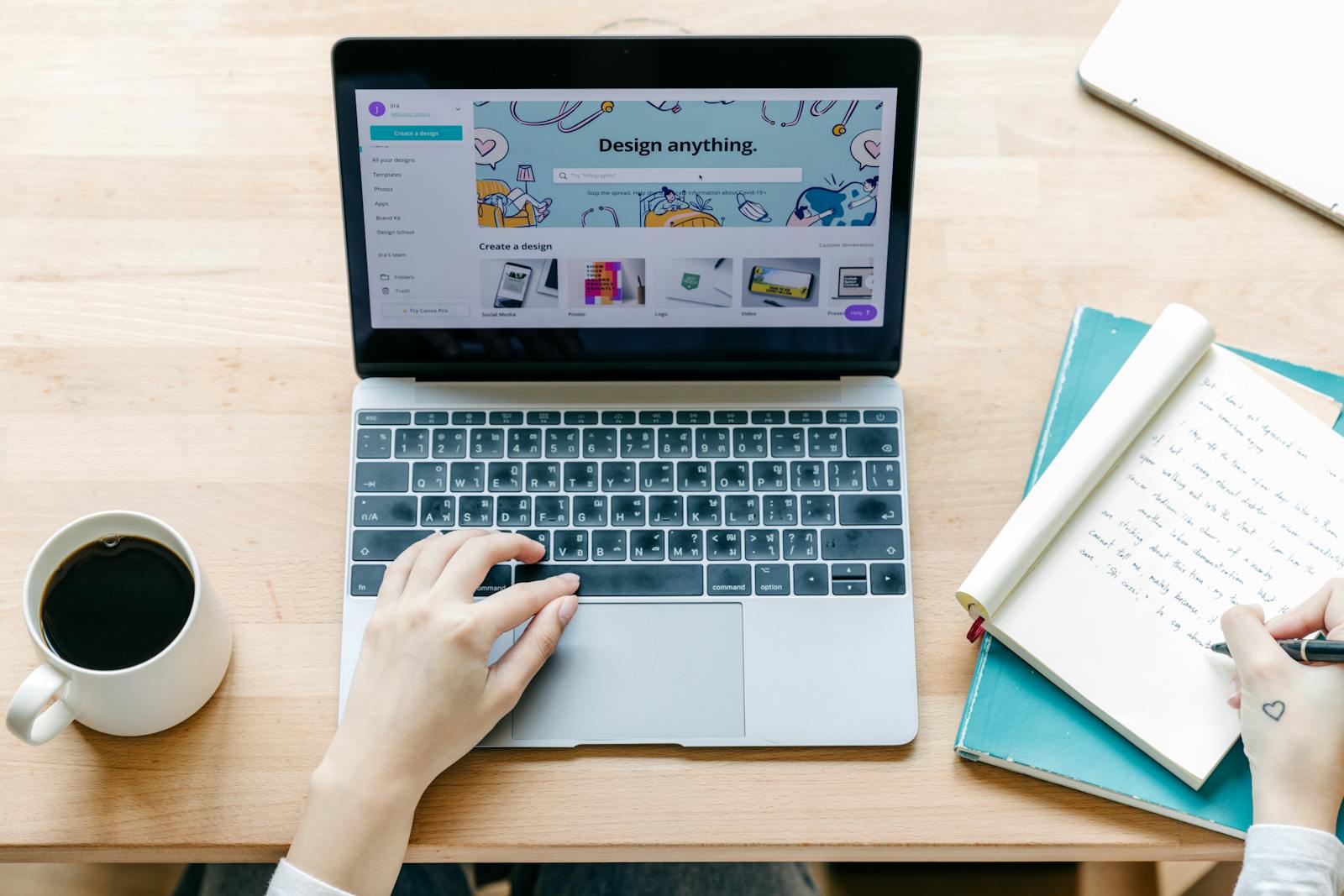
Remote Income: Must-Have Roadmap for Aspiring Designers
Unlocking remote income for designers opens up a world of creative freedom and flexibility, allowing you to turn your passion into profit while reaching clients around the globe. Dive into the essential roadmap that will guide you through the exciting journey of building a successful online design career!

Remote Income: Must-Have Roadmap for Aspiring Designers
Remote income has become increasingly appealing in today’s fast-paced digital landscape, especially for aspiring designers. This mode of earning not only offers flexibility but also allows professionals to showcase their creativity to a global audience. However, the road to establishing a stable source of remote income is not without its challenges. In this article, we’ll explore essential steps and strategies to help designers navigate this path successfully.
Understanding the Landscape of Remote Work
Before diving into earning potential, it’s essential to grasp what remote work entails. Remote income refers to money earned while working outside of a traditional office environment. For designers, this can encompass various roles, from freelance graphic design to web development and UX/UI design.
Explore Different Design Niches
To maximize your remote income, it’s vital to identify the design niche that resonates with your skills and passion. Here are a few areas worth exploring:
– Graphic Design: This includes branding, poster design, and marketing materials. Businesses are always looking for eye-catching visuals to promote their products or services.
– Web Design: With the online presence becoming crucial for businesses, web designers who can create attractive and functional websites are highly sought after.
– UX/UI Design: User experience and interface design is a growing field. Understanding how users interact with products gives you an edge in creating effective designs.
– Illustration and Animation: This creative niche can open many doors in advertising, book publishing, and online media.
Identifying your niche early on helps you target the right clients and projects.
Building Your Portfolio
An impressive portfolio is a designer’s ticket to attracting clients and generating remote income. Here are key elements to include:
1. Diverse Projects: Showcase a range of styles and techniques. This demonstrates your versatility and ability to adapt to different branding needs.
2. Case Studies: Go beyond displaying finished pieces. Include an explanation of your design process, challenges faced, and how your solutions met client objectives.
3. Testimonials: Having endorsements from previous clients enhances your credibility and instills confidence in potential clients.
4. Online Presence: Use platforms like Behance, Dribbble, and even social media to share your work and connect with potential clients.
Establishing Your Online Presence
To maximize your remote income, it’s crucial to ensure your work is visible to a broad audience. Here are some strategies to build your online presence:
Create a Professional Website
Having a personal website acts as a central hub for your portfolio. It should reflect your style, showcase your best work, and include essential information such as:
– About Me: Share your story, education, and experiences that shape your design philosophy.
– Contact Information: Make it easy for potential clients to reach you.
– Blog: Consider writing articles about design trends or tips. This establishes your authority in the field and can improve your website’s SEO.
Leverage Social Media
Platforms like Instagram, Pinterest, and LinkedIn provide excellent opportunities for designers to share their work and connect with clients. Use these channels to:
– Post regular updates featuring your recent projects.
– Engage with fellow designers and potential clients through comments and direct messages.
– Join design communities or groups to network and collaborate.
Finding Remote Opportunities
Once your portfolio and online presence are set up, it’s time to start looking for jobs. Here are some ways to find remote design opportunities:
Freelance Platforms
Websites like Upwork, Fiverr, and 99designs are valuable resources for finding freelance gigs. Start by creating a compelling profile that highlights your skills and showcases your portfolio.
Networking
Never underestimate the power of connections. Reach out to former classmates, attend design webinars, and join online communities. Referrals can lead to an abundance of remote income opportunities you might not find elsewhere.
Direct Outreach
Identify brands or companies you admire and pitch your services directly. Personalized emails that demonstrate your knowledge of their brand can be highly effective.
Managing Your Remote Income
Once you start earning, managing your finances is crucial for long-term success. Here are some tips:
– Budget Wisely: Keep track of your income and expenses to understand your financial standing. Consider using budgeting apps to simplify this process.
– Set Aside Savings: Aim to save a percentage of your income for future investments in your business, such as courses for skill development or new software.
– Plan for Taxes: As a freelancer, you are responsible for managing your taxes. Set aside funds specifically for tax obligations to avoid surprise expenses.
Conclusion
Establishing a remote income isn’t just a goal; it’s an exciting journey that allows aspiring designers to thrive in their careers. By defining your niche, building a robust portfolio, creating an online presence, and actively seeking opportunities, you can set yourself up for success in the remote design landscape. Remember, the key to sustained success in this area lies in continuous learning and adaptation. Embrace the challenges and opportunities that come your way, and watch your remote income flourish!